Homemade All-Purpose Flour Pasta (High-Altitude Tips)
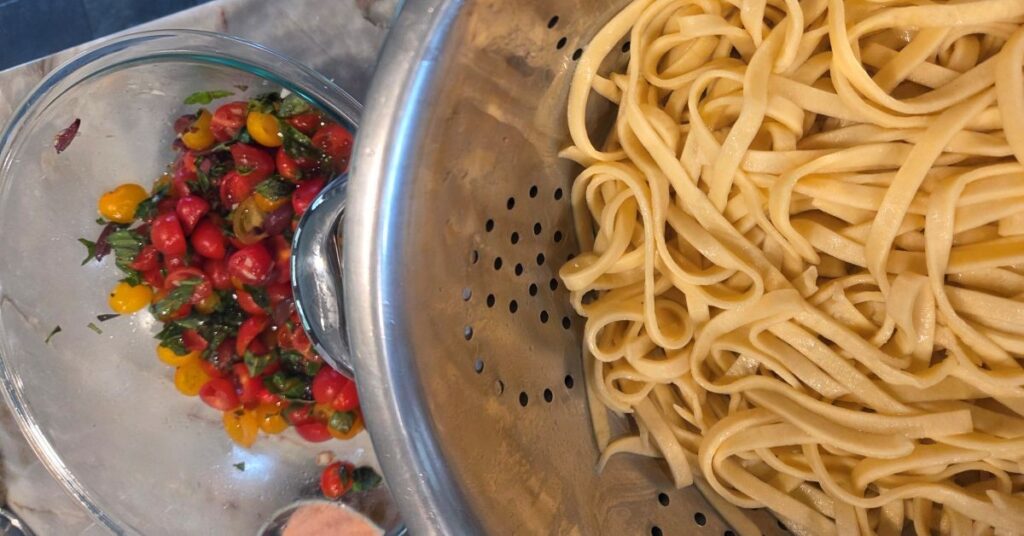
How to make fresh pasta with all-purpose flour, plus a few adjustments for Colorado’s dry high-altitude air.






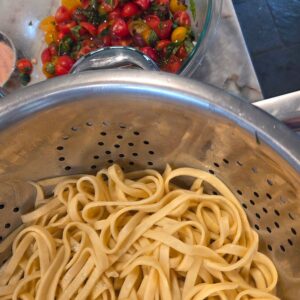
I’ve made pasta many times with semolina flour and with gluten-free flour (which honestly works beautifully), but this was my first time making it with plain all-purpose flour. I picked up a great trick along the way for getting an even, well-worked sheet through the pasta machine, and a few adjustments that made a real difference up here at altitude, where the air is dry enough to throw off a standard dough.
Why You’ll Love This Recipe
- Make the dough ahead – wrap tightly with no air exposure, refrigerate, then bring to room temperature before rolling
- Works with all-purpose flour, no specialty ingredients required
- A tested gluten-free version included below
- One simple folding trick gets an even sheet through the machine with less fuss
Colorado / High-Altitude Adjustments
If you’re also cooking in dry mountain air, here’s what actually changes from a standard pasta recipe:
- One extra egg (4 instead of the standard 3). Dry air pulls moisture out of dough fast, so starting with more egg means less scrambling to add liquid later
- Added water or heavy cream, only as needed. How much depends on just how dry that day’s air is, so add it gradually rather than all at once
- Wrap the dough tightly with no air exposure during rest. Exposed dough can form a dry skin within minutes up here, which leads to tearing when you roll it
Why Pasta, Now?
Homemade pasta fits right into the “whole, minimally processed” direction food is heading in 2026. Just flour, eggs, and a touch of liquid, no additives or dough conditioners hiding in the ingredient list. It’s also a skill worth having in your back pocket heading into cooler months, when a warm bowl of pasta becomes exactly the kind of comfort food people are craving. Gluten-free recipe option below.
Which diet is this Homemade Pasta (Gluten and Gluten-free recipes below) suitable for?
Vegan – No – uses egg. You could try with vegan egg replacement. I have not tried this.
Gluten-free – Yes – option below gluten recipe
Dairy-free – Yes
Egg-free – No – you could try egg replacement – I have not tried this.
Nut-free – Yes
Vegetarian – Yes.
Paleo and Keto friendly – No.
Quick to make!
ENJOY!
Ingredient Notes
I also skipped salt on my first try, which I don’t recommend — a scant ½-¾ teaspoon makes a real difference in both flavor and texture.
Step-by-Step Instructions (with Full Recipe below)
- Mix 2½ cups (300g) all-purpose flour with 3-4 large eggs and ½-¾ teaspoon salt.du
- Add water and or heavy cream gradually if needed, let your dough guide you.
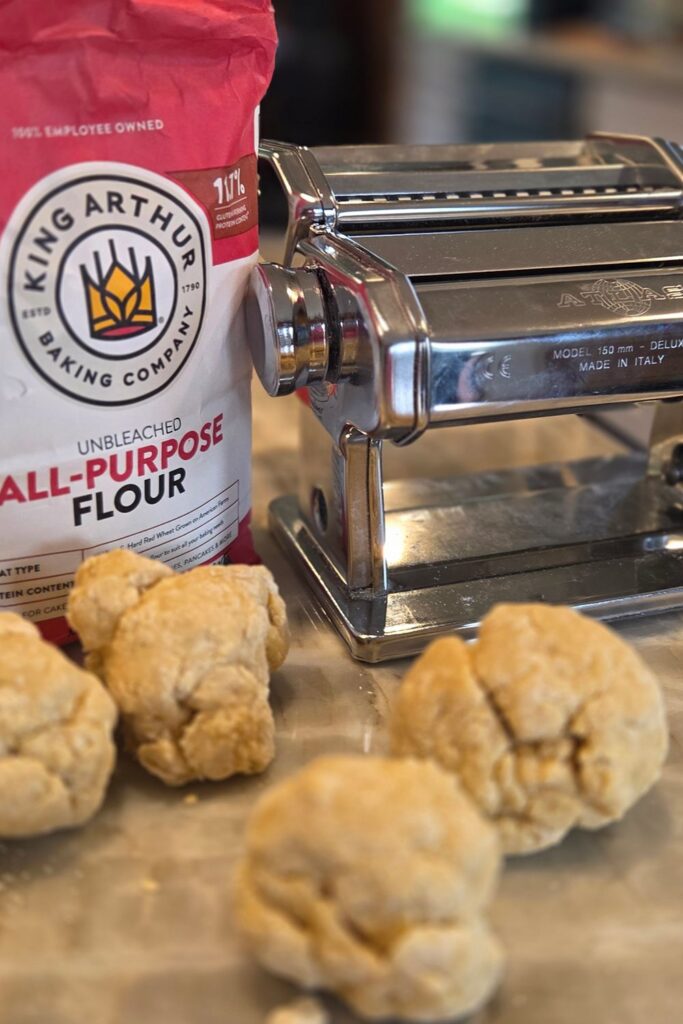
- Knead until smooth, then wrap tightly in plastic or a sealed bag with the air pressed out. Rest at room temperature for at least 30 minutes, or refrigerate and bring back to room temperature before rolling.
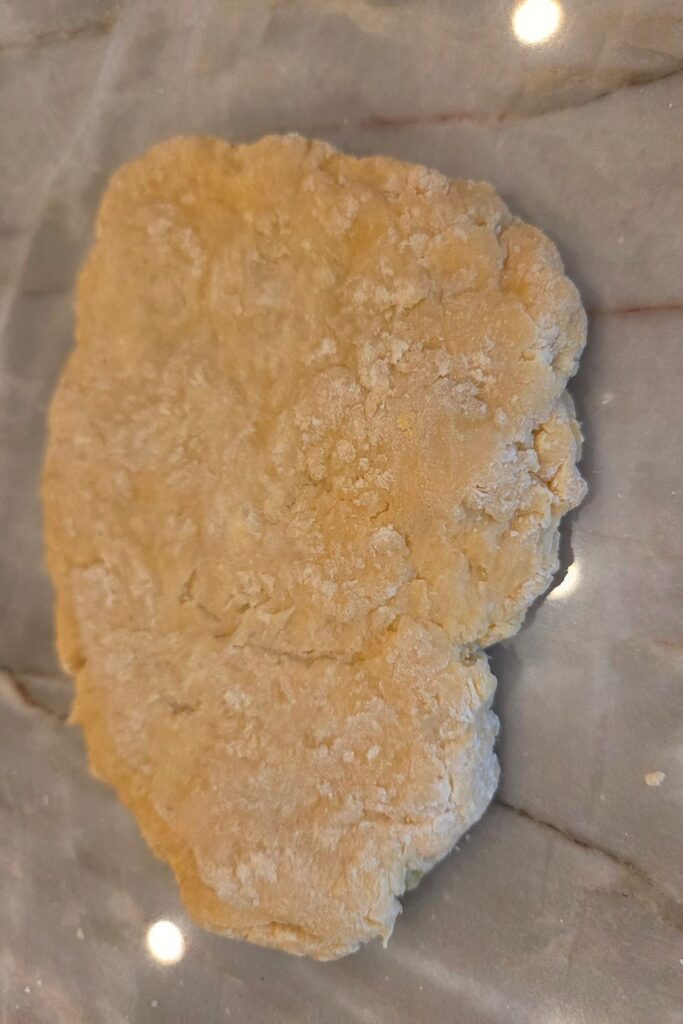
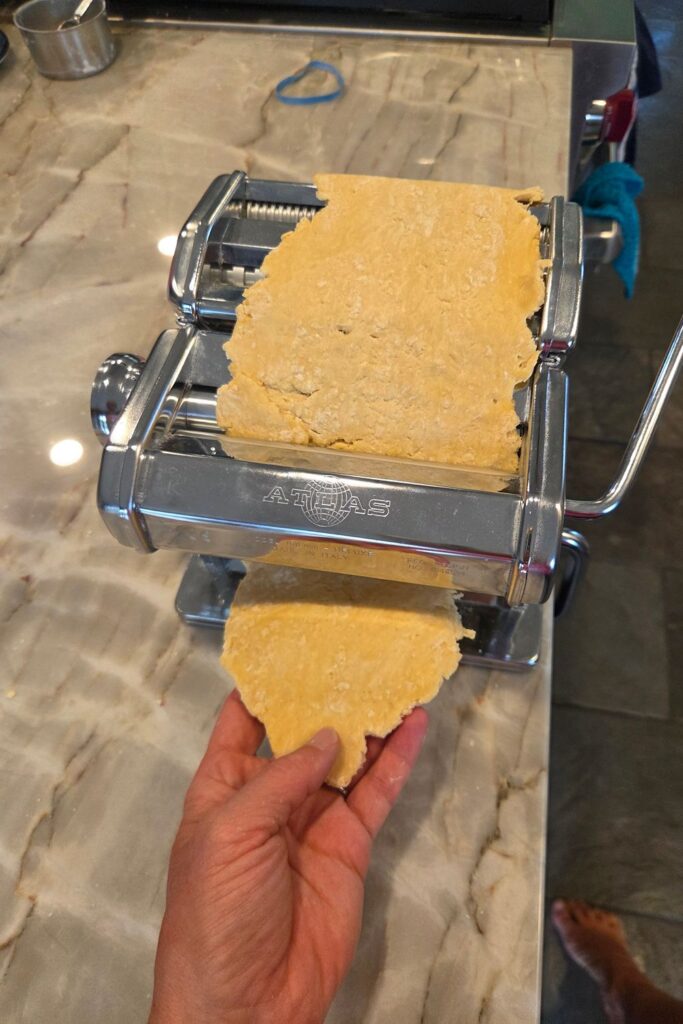
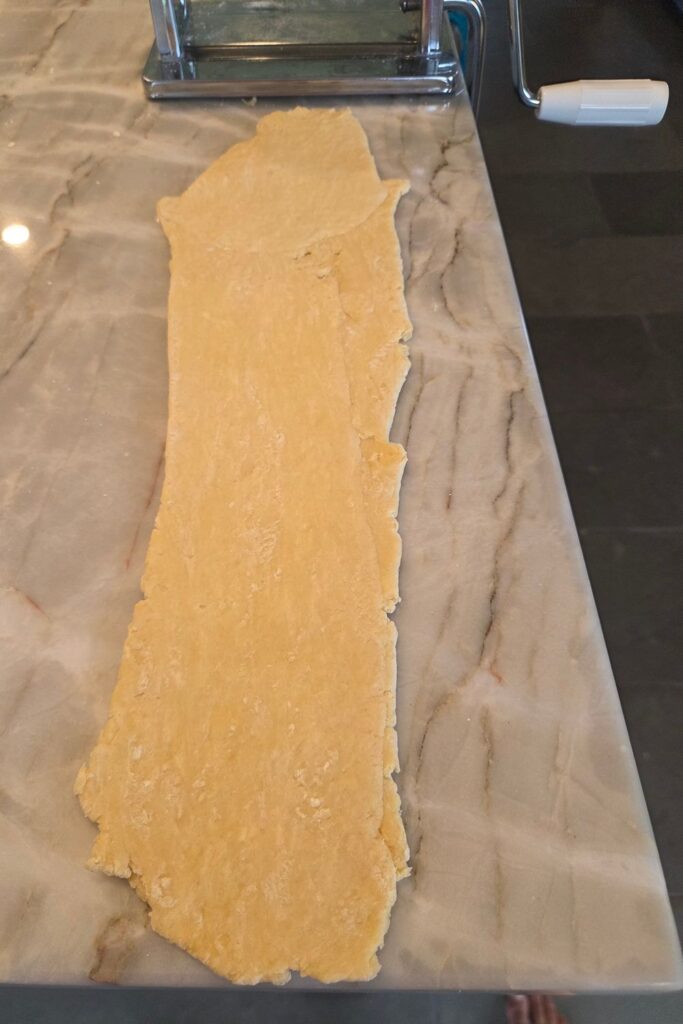
- Divide the dough into quarters. Flatten one quarter into a rough rectangle and pass it through the pasta machine on the largest (thickest) setting.
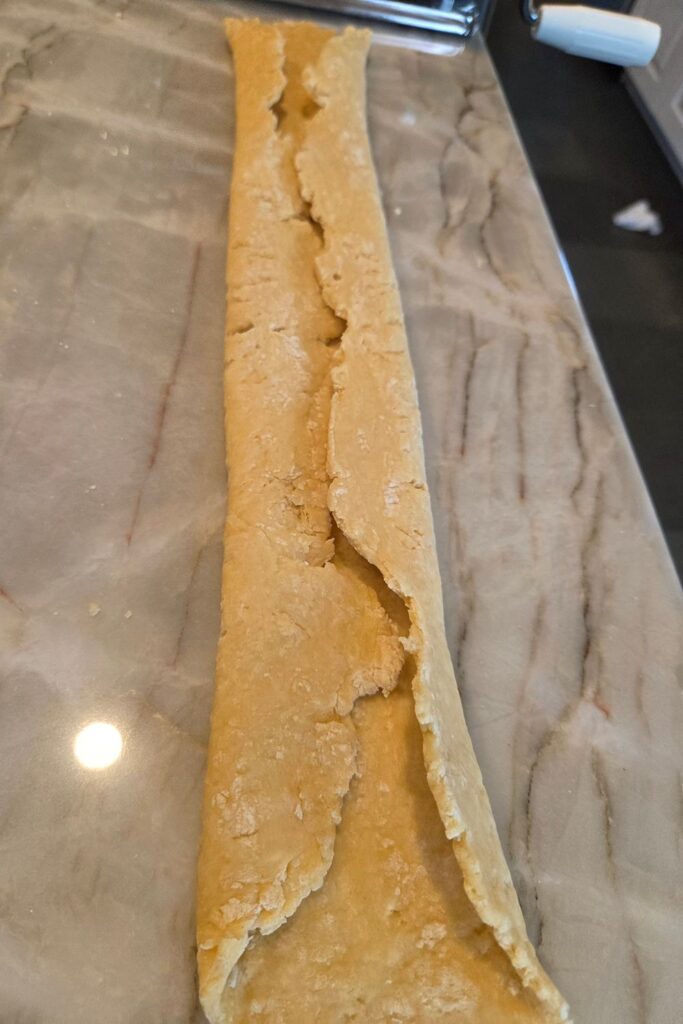
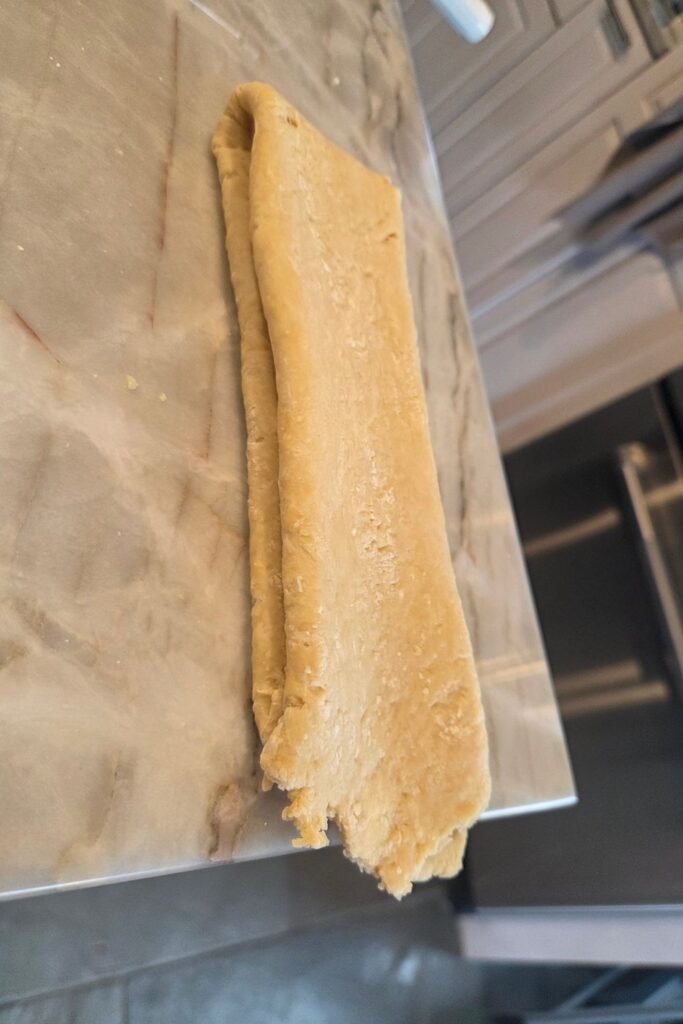
- Fold the two long edges of the sheet inward so they meet in the middle, then fold the whole thing in half again, like closing a book. Press down firmly so it holds together.
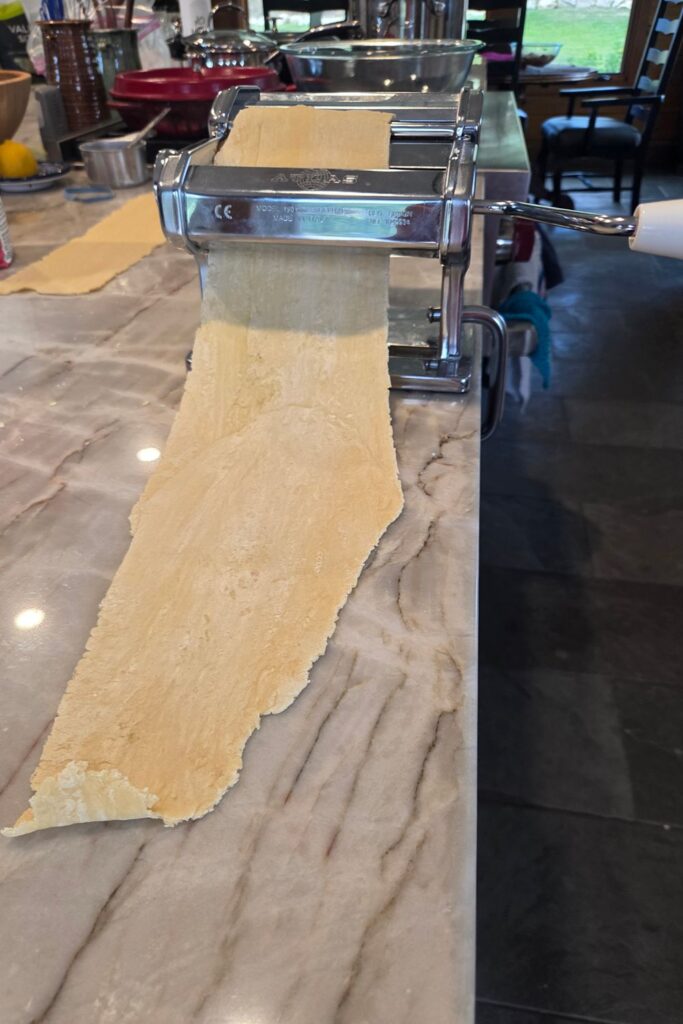
- Feed the narrow, folded edge through the machine again on the largest setting. Repeat this fold-and-roll step once more if the sheet still looks uneven.
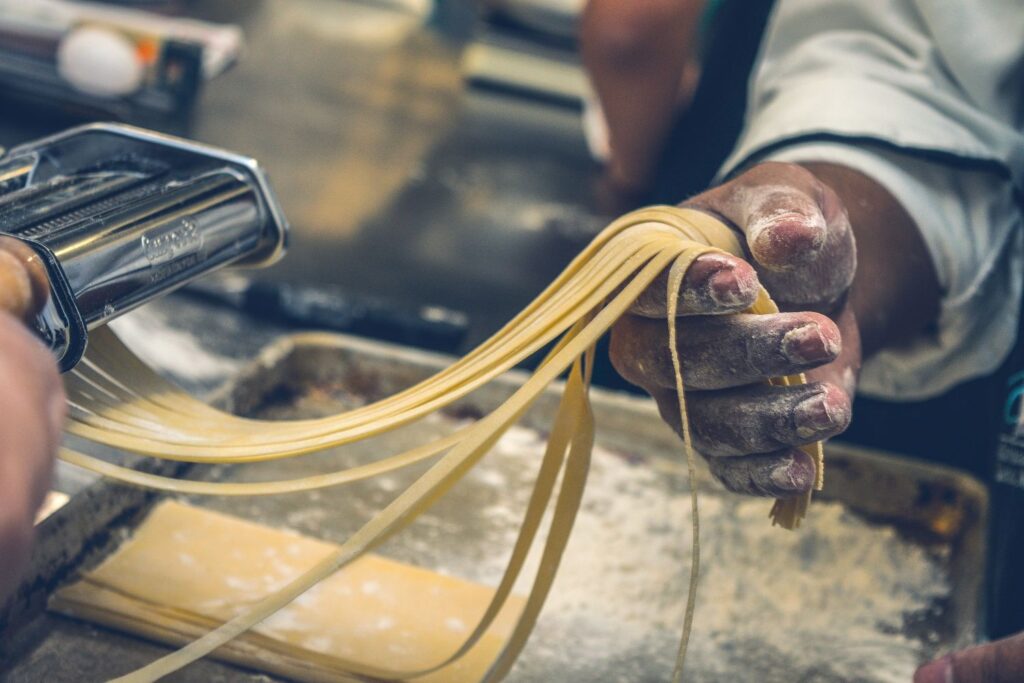
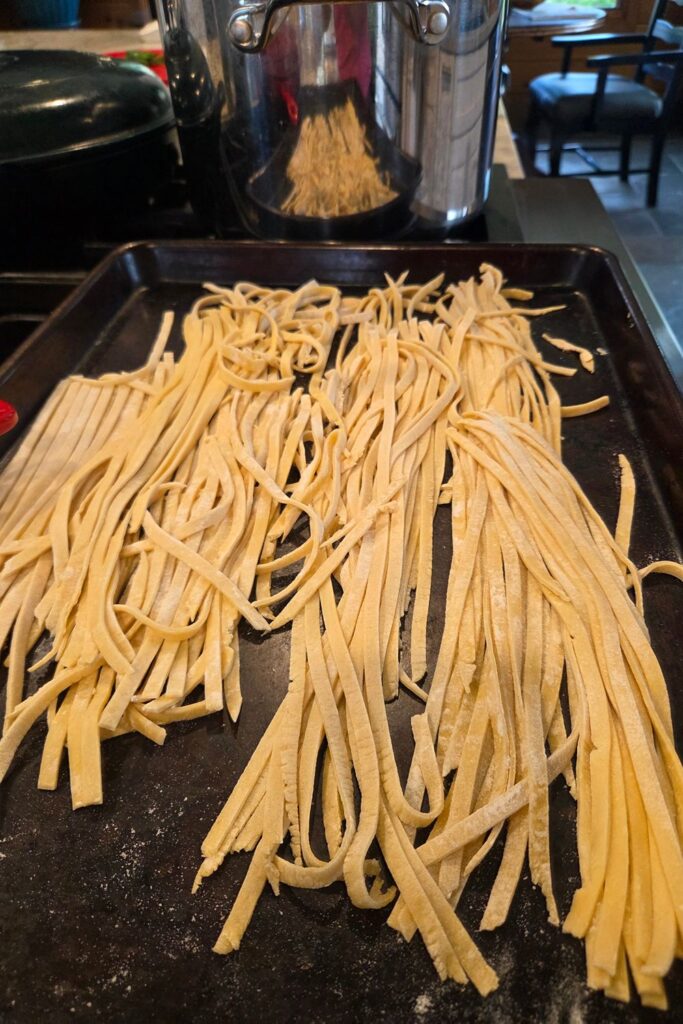
- Once the sheet is smooth and even, run it through progressively thinner settings until you reach your desired thickness, then cut into your pasta shape of choice.
Gallery
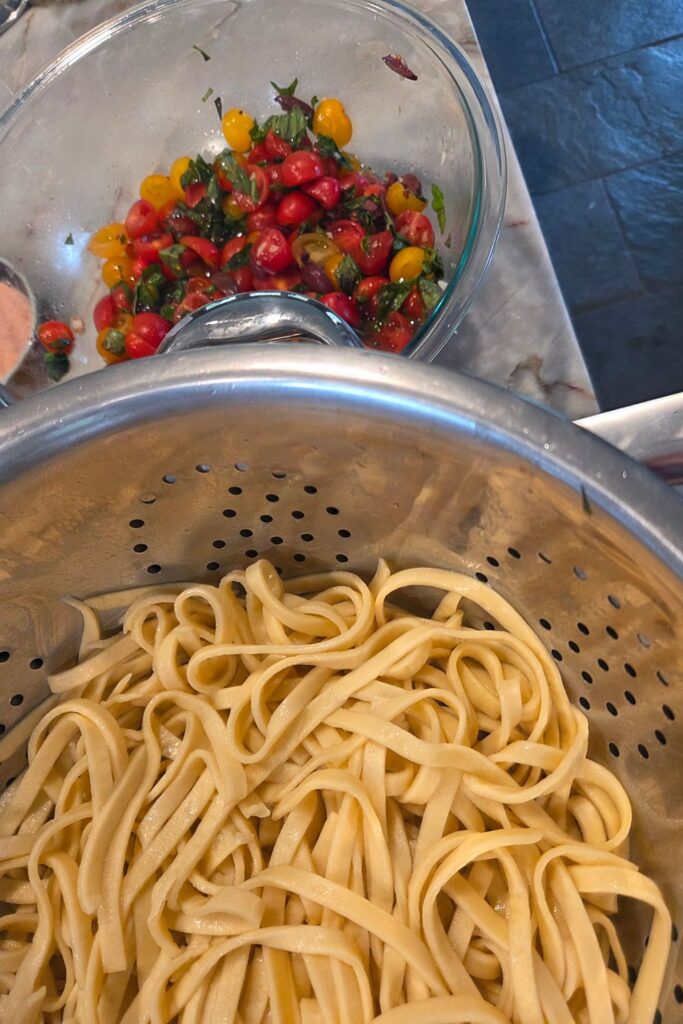
Follow Lively Life at
Pair this with:
Homemade pasta with Healthy Eats:
- Butternut Squash Salad
- Gluten-free MEATLOAF without Breadcrumb
- 2 ingredient Easy & Quick Pizza!
- Alaskan Crab Legs – Can Cooker Style
- Greek Inspired Smash Burger Tacos
- For more Healthy Eats ideas!
Homemade pasta follow with Healthy Treats:
- Almond/ Peanut Butter Cookies! made with almond flour – gluten free!
- Healthy Oatmeal Chocolate Cookies
- Chocolate Ganache Bonbon
- Double Chocolate Truffles – with coconut cream! so dreamy!
- Fluffy Light Cookies – with Chocolate Chips!
- Orange Fennel Twist Appetizers! OR Cheesy ‘Green Chile’ Twist Appetizer
- Meringue Cookies – light and crisp
- Raspberry Banana Coconut Nice Cream (no dairy ice cream)
- Banana Pecan Ice Cream – vegan, gluten-free and dairy-free!
- For more Healthy Treats ideas!
FAQ
Q. What pasta machine setting should I use for linguine?
A. This varies by machine, since numbering isn’t standardized across brands. As a starting point, something in the middle of your machine’s range tends to hold up better for a pasta salad than something rolled very thin, thin linguine can go a little limp once tossed with a sauce and left to sit. If you rolled to your thinnest setting last time and felt it was too delicate, try one or two notches thicker next time.
Q. Do I need xanthan gum for the gluten-free version?
A. Yes, for this specific Bob’s Red Mill flour — the dark-label “All-Purpose Baking Flour” doesn’t include xanthan gum, unlike their blue-label “1-to-1” blend, so it needs to be added separately to hold the dough together.
Q. Can I make the dough ahead of time?
A. Yes, wrap it tightly with no air exposure and refrigerate. Bring it back to room temperature before rolling.
Q. Why add salt to the dough itself, not just the pasta water?
A. Salt in the dough seasons the pasta from the inside out, not just the surface.
A Holistic Nutrition Tip
Making pasta from scratch means you control exactly what goes into it — just flour, eggs, salt, and a touch of liquid, no preservatives or dough conditioners. Gluten-free pasta recipe below traditional recipe. It’s also a nice reminder that traditional techniques, like this fold-and-roll trick, often exist because they genuinely make the process easier, not harder.
Similar or best sides with:
Subscribe for Lively Life’s Youtube for more Healthy Eats, Healthy Treats! Ideas.
Follow Lively Life on Pinterest!!
-
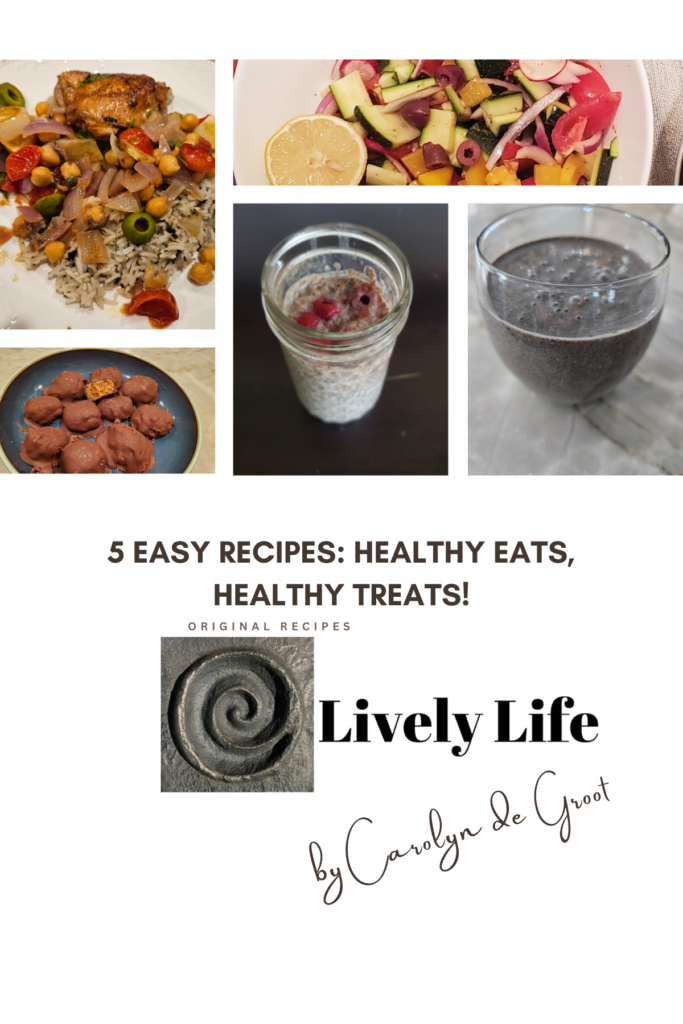
5 Fan Favorite – Recipes by Lively Life
$0.00 -
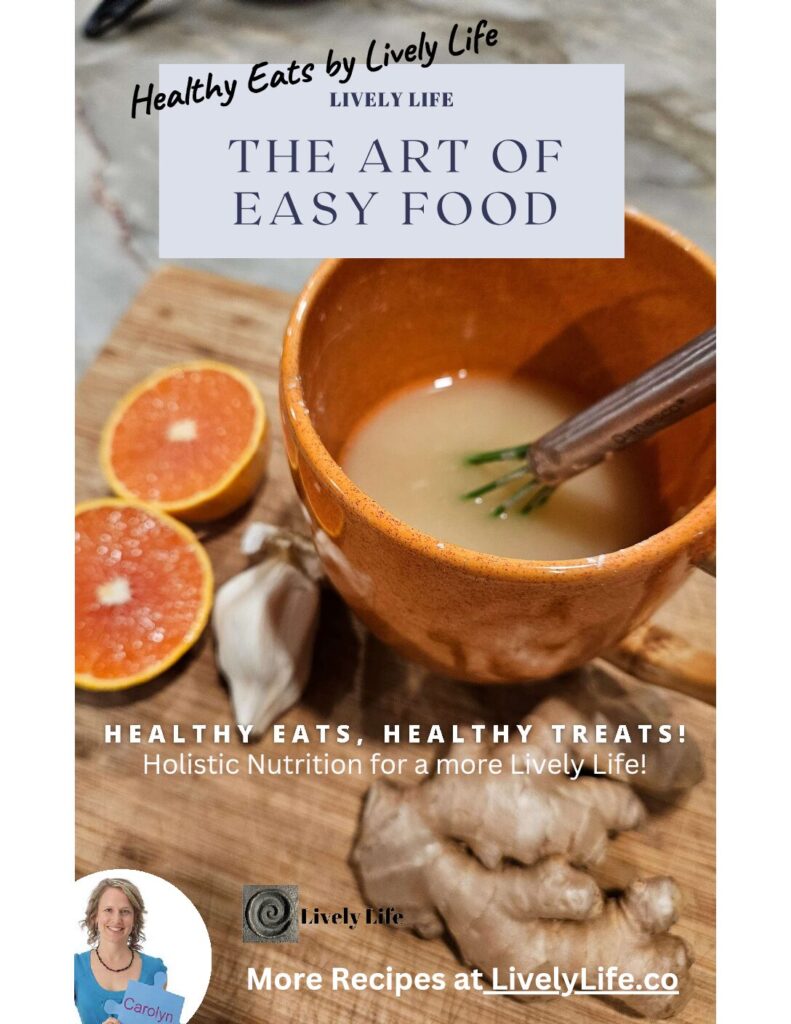
Healthy Eats by Lively Life – The Art of Easy Food – Recipe Ebook
$1.00 -
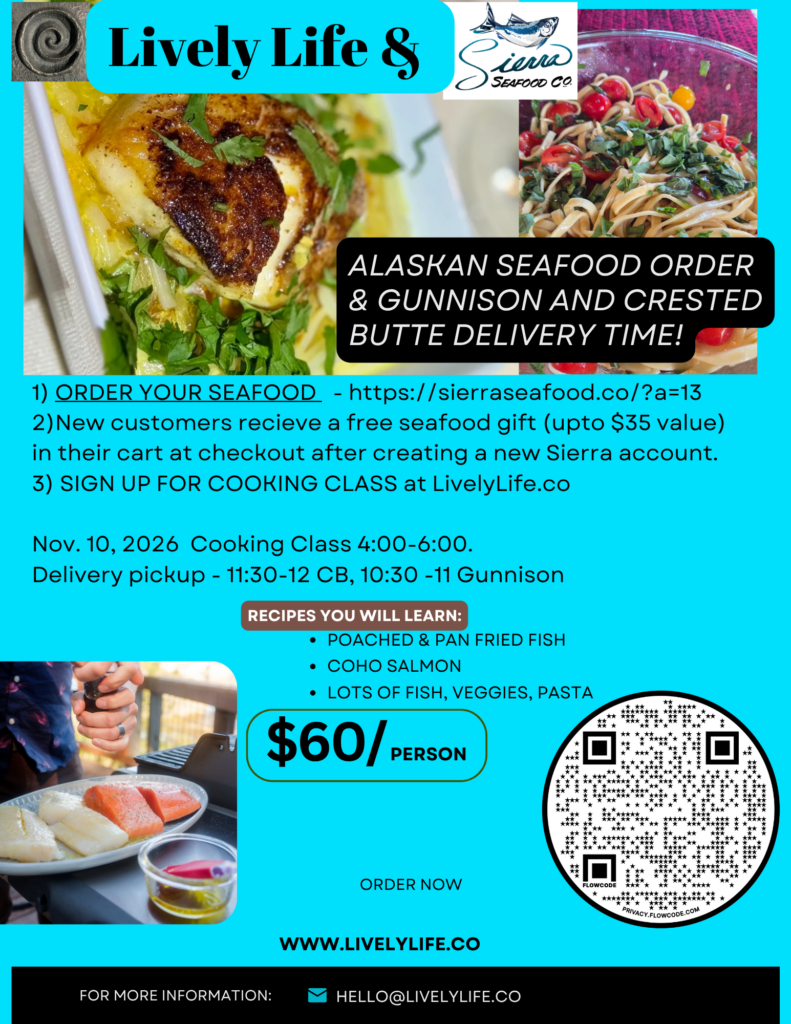
Seafood Fish Delivery & Cooking Class at Crested Butte & other Colorado Locations for Delivery
$60.00 -
SPRING CLEANSE 2026 : SUGAR FREE LIFE – Blood Sugar Balance.
Original price was: $297.00.$247.00Current price is: $247.00.

Lively Life – Healthy Eats! : Homemade Pasta – Gluten and Gluten-free recipes below!
RECIPE
Homemade All-Purpose Flour Pasta (High-Altitude Tips)

Ingredients
- 2 1/2 cups all-purpose flour (300 g)
- 3-4 large eggs
- 3/4 tsp sea salt or himalayan salt
- water or heavy cream only as needed
Instructions
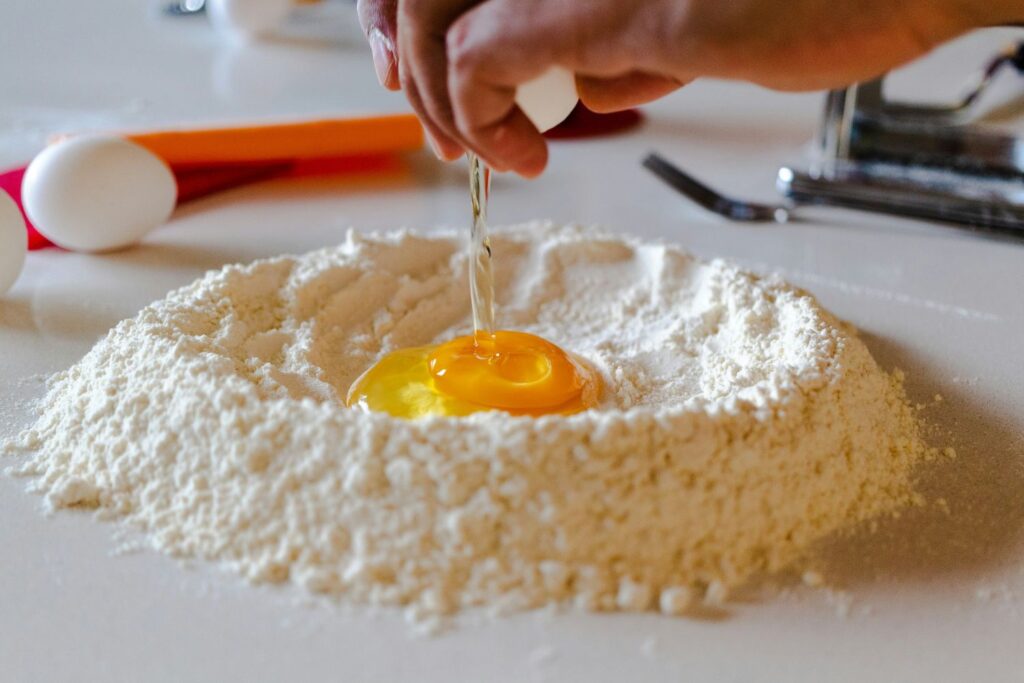
- Clean your countertop well, then mound the flour and make a well in the center. Add the eggs and salt into the well.
- Whisk the eggs and salt together within the well, keeping the flour walls intact.
- Slowly mix the flour into the eggs, working from the inside edges outward, until a shaggy dough starts to form.
- Finish bringing the dough together with your hands, adding water and half-and-half (or heavy cream) a tablespoon at a time only if the dough feels too dry.
- Knead until smooth, then wrap tightly in plastic or a sealed bag with the air pressed out. Rest at room temperature for at least 30 minutes, or refrigerate and bring back to room temperature before rolling.
- Divide the dough into quarters. Flatten one quarter into a rough rectangle and pass it through the pasta machine on the largest (thickest) setting.
- Fold the two long edges of the sheet inward so they meet in the middle, then fold the whole thing in half again, like closing a book. Press down firmly so it holds together.
- Feed the narrow, folded edge through the machine again on the largest setting. Repeat this fold-and-roll step once more if the sheet still looks uneven.
- Once the sheet is smooth and even, run it through progressively thinner settings until you reach your desired thickness, then cut into your pasta shape of choice.
Gluten-Free Version — Lively Life’s Gluten-Free Noodles
Ingredients
- 2 cups Bob's Red Mill Gluten-Free All-Purpose Baking Flour (dark label)
- 4-5 eggs
- 3/4 tsp sea salt or himalayan salt
- 1 1/2 tbsp xanthan gum Bob's all-purpose flour doesn't have xanthan gum so don't skip this. Bob's 1 to 1 baking flour does have xanthan gum, so doesn't need this addition
- touch of water if needed, you can just make your hands wet when kneading
Instructions
- Clean your countertop well, then mound the flour (whisked together with the xanthan gum) and make a well in the center. Add the eggs and salt into the well.
- Whisk the eggs and salt together within the well, keeping the flour walls intact.
- Slowly mix the flour into the eggs, working from the inside edges outward, until a shaggy dough starts to form.
- Finish bringing the dough together with your hands, adding a touch of water only if needed — gluten-free dough tends to be a little more delicate to work with than wheat dough.
- Knead gently until smooth, then wrap tightly in plastic or a sealed bag with the air pressed out. Rest at room temperature for at least 30 minutes.
- Divide the dough into quarters. Flatten one quarter into a rough rectangle and pass it through the pasta machine on the largest (thickest) setting..
- Fold the two long edges of the sheet inward so they meet in the middle, then fold the whole thing in half again, like closing a book. Press down firmly so it holds together.
- Feed the narrow, folded edge through the machine again on the largest setting. Repeat this fold-and-roll step once more if the sheet still looks uneven.
- Once the sheet is smooth and even, run it through progressively thinner settings until you reach your desired thickness, then cut into your pasta shape of choice.
Please rate this recipe, Please follow by our newsletter, youtube and pinterest! Thank you so much!
Please sign up for our newsletter so you don’t miss an update!
Did you make this Recipe?
Tag @livelylife.co on Instagram and hashtag #livelylife.co so we can see your new Eats and Treats!